New Tron Trailer
July 23rd, 2010The new Tron trailer is up, courtesy of Boing Boing. We love our CS actives.
The new Tron trailer is up, courtesy of Boing Boing. We love our CS actives.
Many people are concerned about the liberties that social media, especially facebook, take with their information. Recently Warren Ellis mentioned that the likeness of a friend of his had been used without her permission in the theatrical trailer for a social media movie. Her response is awesome, both in that it is simply more speech rather than some sort of suit, and in its content.
Brenda’s in the other room watching The Old Spice Guy. That’s cool; he’s pretty awesome. But, me, I prefer to kick it old school.
Then again, you knew that.
The June gloom in LA has extended itself to July, and I was hoping to take advantage of it and get some time in the clouds today. As usual, as soon as I went up, the clouds began their retreat, but I did get a tiny touch of actual in and grab lunch at Riverside Municipal. The flight out was a good refresher for IFR procedures even though I didn’t spend more than a minute or two in the clouds climbing out. Juggling the radios, GPS, and other navigation aids is always good practice, even when I’ve cleared the layer.
The flight out wasn’t very eventful for me, but a Delta flight crew was having a pretty tough time of it, to the point where they managed to tick off an Approach Controller. Everyone’s had a bad day, but when you hear someone having theirs, it makes you determined not to have one of yours at the same time. Fortunately, my number wasn’t up; my flight was routine.
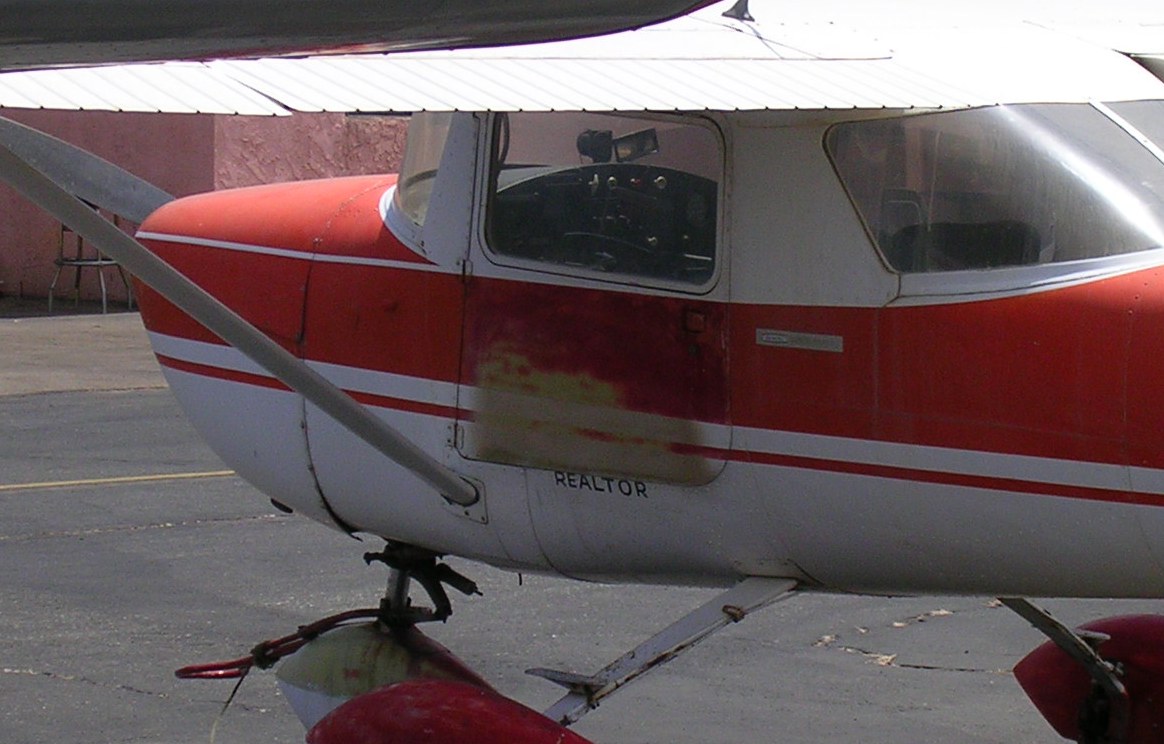
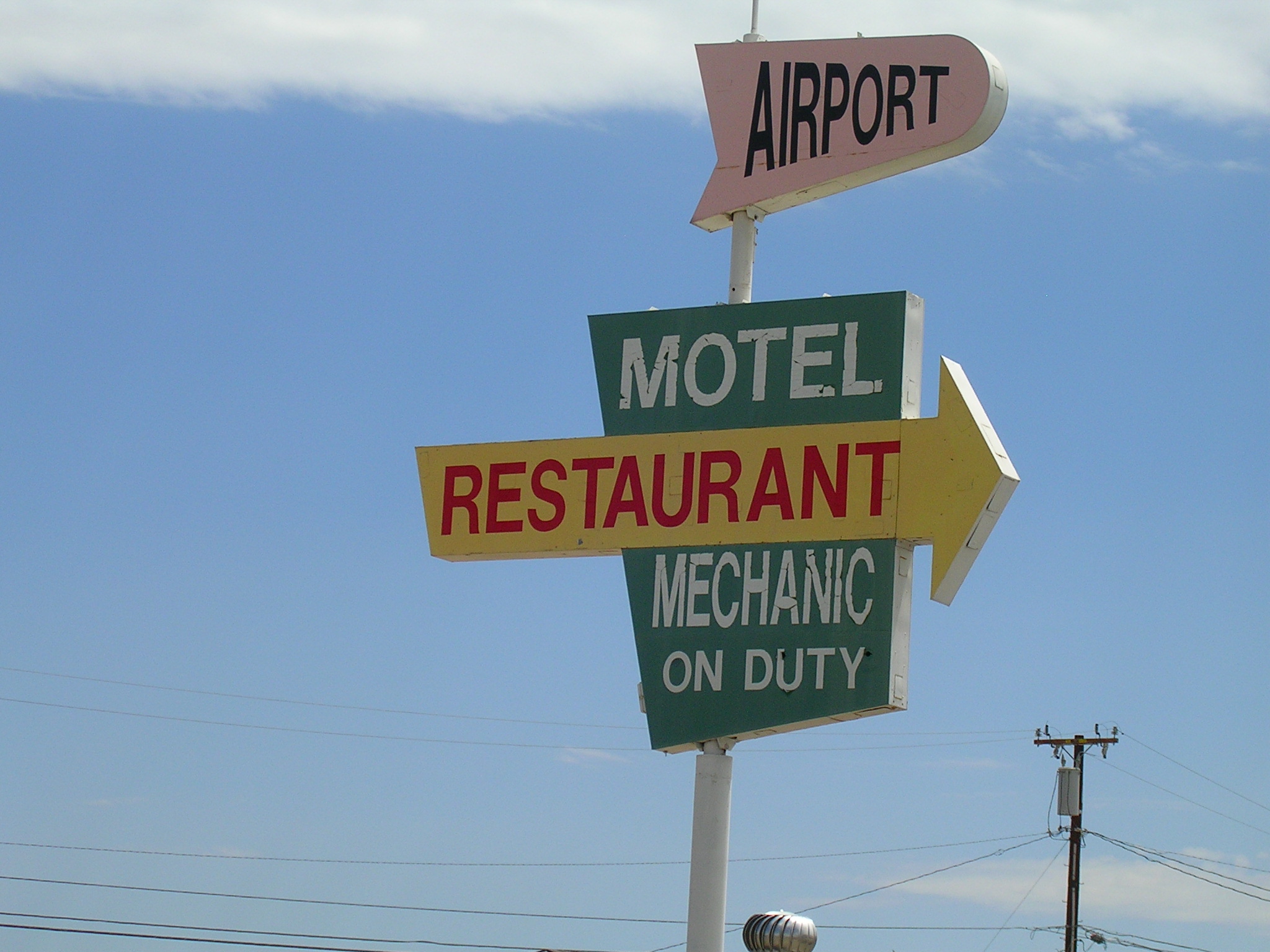
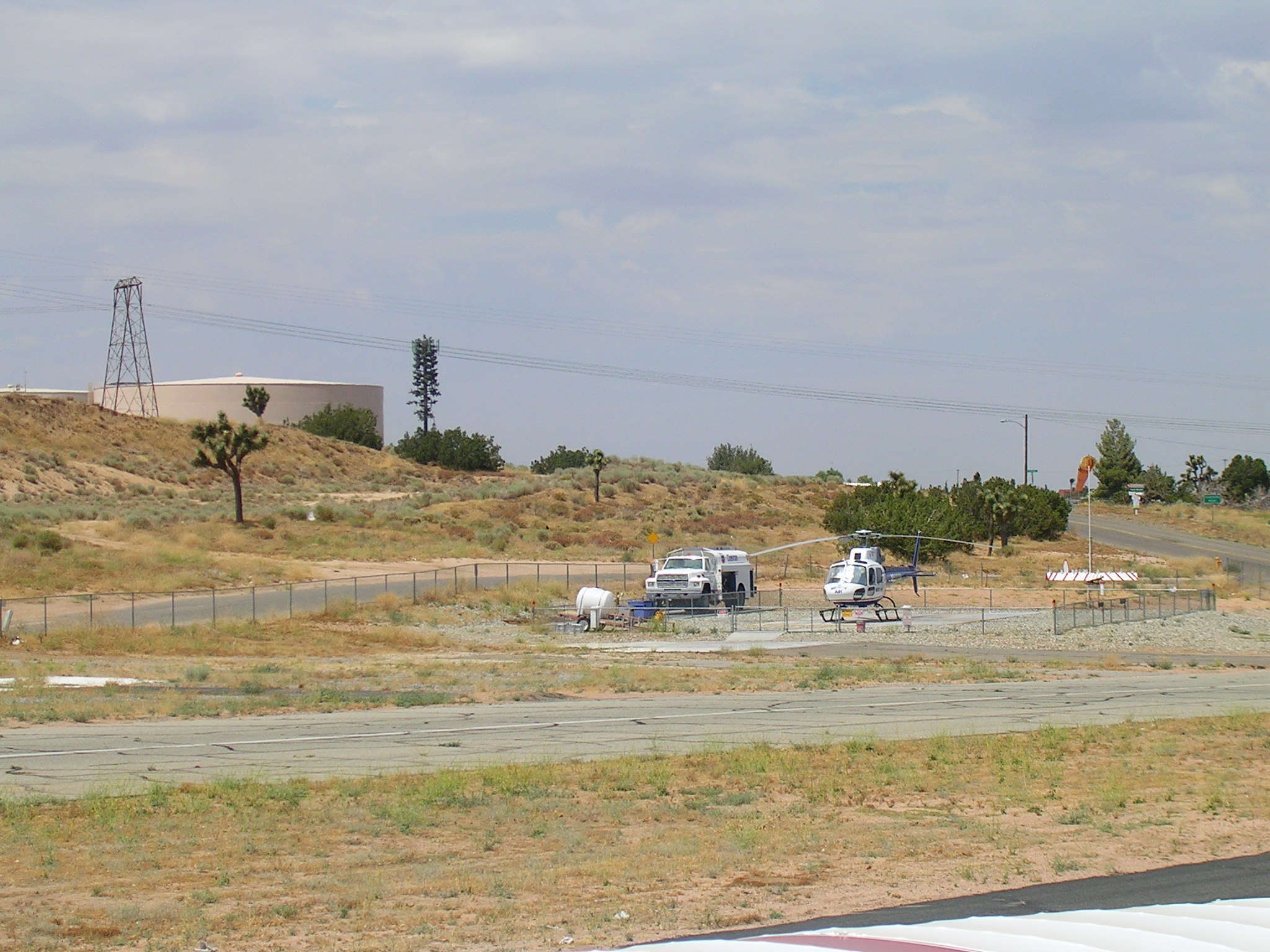
Riverside Municipal is a nice little towered airport with an old school diner on the premises. I enjoyed a patty melt with my Pacific Flyer. I took a couple pictures of the airport and the planes, including the apparent Texan who’s modified the Bible verse on his horizontal stabilizer.
After lunch and pictures, it was back to Santa Monica under instrument rules, but without any clouds.
After my recent good experience with Chandler, it seemed like another noir classic was worth a look. And so we come to Hammett.
You can’t mistake Hammett for Chandler. Hammett’s prose is more pedestrian and not inclined to the poetic – even the poetry of a tough guy in the rough city. After the joy of finding Chandler, it was something of a disappointment to find that Hammett was something else entirely. The disappointment wore off pretty quickly as I discovered the joys of Hammett.
Hammett is more grounded in the characters than in the literature. His Sam Spade is a much more flawed character than Chandler’s Marlowe. One gets the impression that at his core Marlowe’s a Boy Scout; no one gets that impression about Spade. Spade’s a tough guy to get along with, and not always because there’s some principle at stake. Sometimes Spade is just ornery. You get the impression people are surprised when Spade does the right thing; you also get the impression that they’re surprised often.
It doesn’t help his likeability that my 21st century eyes see a pretty chauvinist guy. I understand the differences of the times, but even accounting for that, Spade views women mostly as sex objects, and not often ones he enjoys being around. He’s a well enough drawn character that one can dislike him honestly. I don’t think I’d enjoy hanging out with him, but I believe him.
Some of the other characters are somewhat broad, but never overly so. No one’s completely what they seem, and the plot twists a great deal more than The Big Sleep. I definitely had to pay more attention to who was doing what to whom in Falcon.
Overall I enjoyed The Maltese Falcon quite a bit, but it was much less of a transcendent experience than The Big Sleep. An awful lot of this discussion has been comparing Falcon to Sleep, and that’s not particularly fair. They’re different in focus and perhaps in goals. I obviously incline toward Sleep‘s rich language and sense of place, but Falcon‘s unflinchingly real lead character and attention to plot is also rewarding. Both are worth one’s time.
Recommended.
My sister was in town last week, and she and her family invited us up to see a practice round of the US Open up in Pebble Beach. I was in Berkeley on Monday for a work commitment and flew down to Salinas to meet them as they drove up from LA. It was a nice flight, and I got to spend a few minutes bumming around the ramp at Salinas before they caught up with me. Imagine my surprise to see Arnold Palmer’s Citation on the ramp next to me. (Palmer’s registration – N1AP – is well known among pilots for some reason).
Anyway I took a few pictures, including one with N32169 in the same frame.
Yep, back to the Napoleonic Wars, with Bernard Cornwell. It’s been a while since I’ve checked in with Sharpe and the boys, and honestly, they seem to have gotten a little whinier than I remember. Sharpe’s always been worried about his fate and his love life, but I seem to recall more of this having been resolved last time. This all felt more like a replay than new worries.
Overall this was much more like a Twilight book than I was expecting. Both of our leading men spend a lot of time weighing their motives in trying to join a Forlorn Hope, and primary meaning aside, it was rather more introspective than I wanted, and their concerns had been played before.
As much as I liked the Twilight series, I prefer my men of action to brood less and fight more. Hopefully this was just a brief slacking of the action. We did learn a bunch about siege warfare, though.
I’ve read a bunch of these, and I’ll probably keep doing so, even if a fair number of the stories in each are somewhat predictable formula bits, or somewhat over-engineered literary writing. There’s always a gem or two in here.
I rather liked Galgut’s “The Lover,” which starts without soul and slowly won me over, and Rash’s “Into The Gorge,” which was solid and moving. Alice Monroe and Annie Proulx are here again, turning in solid work, though I found Proulx’s “Them Old Country Songs” covered ground she’d covered better before. Monroe’s “Some Women” was a really nice bit of work. Probably my favorite was Ladsun’s “Oh, Death,” which manages to be elegiac without being overly sad.
Others will find different gold, I’m sure, but there is something to like in here if you’re interested in looking.
Recommended.
If you thought the first three books of Twilight were slow and melodramatic, Breaking Dawn is your cure.
We’re back in Stephenie Meyer’s world of vampires and werewolves, and the existing characters and histories from the earlier novels are all in place. Right from the beginning, though, things happen much faster here than any earlier Twilight novel. Meyer makes things happen fast without making them seem rushed, which is quite an achievement, given all that goes on. I don’t want to give anything away, but character’s fates are decided in ways that are satisfying and logical – and often very funny.
Overall, it’s a satisfying conclusion to a fun series. Even if you found the other books slow, you might enjoy this.
Strongly Recommended.
Raymond Chandler is one of those authors who you often hear transcends his genre; he writes mysteries, but is (today)well regarded by most readers. I’m a man who likes genre fiction, so the genre thing isn’t really off-putting to me. And yet, it’s taken me this long to read any Chandler.
That’s a mistake I regret. It’s sad to have lived this long without meeting Chandler’s Philip Marlowe in the flesh before.
The Big Sleep is an impressive display of writing on many levels. First is Chandler’s unique prose style. Even if you’ve never read Chandler, you’ve heard echos of this; everyone writing a tough-guy spoof or a noir mystery has taken a swing at it. Reading the original tells you why this voice has become so universally recognized. Descriptions are minimal and impressionistic, and filled out with colloquialisms and apt but unexpected similies. Anyone who’s ever read a mystery that’s vaguely noir recognizes the formula, but watching Chandler execute it is the difference between seeing U2 in a club and hearing a tribute band on the radio.
His prose is so minimalist and powerful that even with the concentrated text, all the images necessary to follow the story are tattooed into your mind’s eye. With each word condensed to its most potent form, it would be easy to lose important detail, but I never needed to fill in any blanks here.
The use of the 1930’s slang could be distracting and confusing, but the clear storytelling somehow makes the specific meaning of any slang unimportant. Again, it shows how well constructed the prose is – the bits of verisimilitude don’t interfere with the meaning. This frees the reader to enjoy the slang of a bygone era without reservation, and it is a source of great joy. I hope that people really did talk that way in the 30’s.
There’s plenty of what modern readers would call period detail that’s just part of the story here. I particularly enjoyed how Marlowe often comments about tough guys arranging themselves the same way as gangsters in the movies do.
Finally, people tend to think of noir dramas as taking place in generic dark cities – again the influence of the movies. The Big Sleep is set in Los Angeles – west LA and Hollywood, really – and there’s never any doubt about it. That’s where I live these days, and following Marlowe around my environs time-shifted 80 years gives the story a ghostly undercurrent. I recognize settings despite the maze of time between me and Marlowe. Even if you’ve never been to LA, that feeling of place comes through clearly.
There’s a mystery in here, too, if that’s your thing, and from what I can tell, a good one. I won’t remember the details of the clues or when Marlowe figured what out for very long, but I’ll always remember The Big Sleep.
Strongly Recommended.